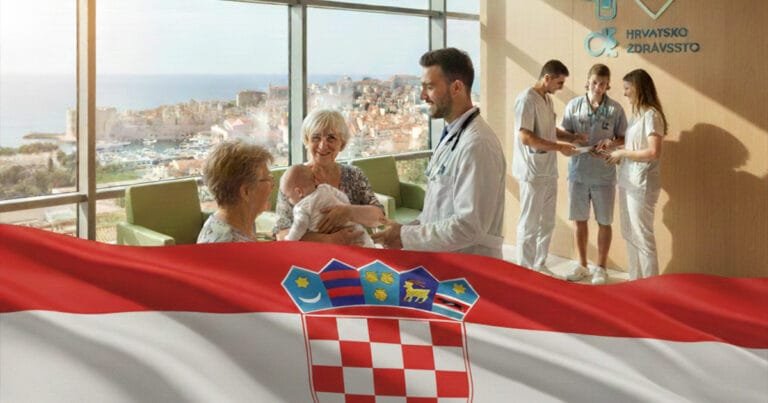

Turistička Ambulanta in Croatia: What Is It, Hospital Differences and Insurance Rules
Stepping on a sea urchin in the Adriatic Sea, developing heatstroke after a sunny day on the island of Brac, or catching food poisoning after dinner are unwanted holiday surprises. Tourists searching for medical help along the Croatian coast or on the islands frequently encounter the term Turistička ambulanta.
What does this term actually mean? Is it a full-service hospital, a private clinic, or a seasonal health station? This comprehensive guide explains how the tourist healthcare system in Croatia operates, how a Turistička ambulanta differs from a hospital, how payment works, and whether your European Health Insurance Card (EHIC) covers your visit.
1. What Exactly Is a Turistička Ambulanta?
A Turistička ambulanta (translated as tourist clinic or tourist medical practice) is a medical clinic established specifically to provide primary healthcare services to visitors during the summer tourist season.
In popular coastal towns like Rovinj, Porec, Makarska, and island destinations like Krk, Hvar, and Korcula, the local population multiplies significantly in the summer. Local general practitioners cannot handle this massive surge. Regional health centers (Dom zdravlja) and private operators set up seasonal tourist clinics from June to September to relieve local doctors and offer accessible medical care to travelers.
Common Conditions Treated at a Tourist Clinic
- Minor Summer Injuries: Sea urchin spine removal, jellyfish stings, insect bites.
- Acute Conditions: Sunstroke, heat exhaustion, gastrointestinal infections, colds, fever.
- Basic Wound Care: Minor cuts, mild burns, abrasions, sprains.
- Prescriptions: Refilling necessary routine prescription medications.
2. Tourist Clinic vs. Hospital (Bolnica): What Is the Difference?
Travelers often wonder whether they should visit a tourist clinic or head straight to a hospital. The distinction is similar to choosing between a general practitioner and an emergency hospital room.
| Feature | Tourist Clinic (Turistička Ambulanta) | Hospital (Bolnica / KBC) |
|---|---|---|
| Primary Function | First-stage treatment for non-life-threatening, minor to moderate issues. | Emergency admissions, major surgery, inpatient care, complex diagnostics. |
| Facilities | Standard medical practice setup, basic wound dressings, basic tests. | X-ray, CT, MRI, intensive care units, operating rooms, specialized labs. |
| Availability | Seasonal operating hours (usually 08:00 to 20:00 during summer months). | 24/7 Emergency Room (Hitna medicinska pomoc) operating year-round. |
| Medical Staff | General Practitioners (GPs) and nurses, frequently English-speaking. | Specialist physicians (surgeons, cardiologists, pediatricians, etc.). |
| Severity Level | Conditions you would normally take to your family doctor at home. | Severe trauma, heart attacks, deep wounds, major fractures, poisoning. |
Emergency Notice: Do not go to a tourist clinic for life-threatening emergencies, severe chest pain, major trauma, or stroke symptoms. Call the Croatian ambulance service directly at 194 or dial the European emergency number 112.
3. How Does Croatia Differ from Other European Countries?
Unlike many European nations where tourists must visit standard local family doctors or head directly to hospital emergency departments, Croatia runs a dedicated seasonal healthcare framework:
- Strategic Locations: Tourist clinics operate close to major holiday spots, including large camping grounds, resort complexes, and island ports.
- English Language Support: Doctors and nursing staff working in tourist clinics routinely speak fluent English, as well as German or Italian.
- Public vs. Private Division: Clinics are split between public state-contracted units (under the national insurance provider HZZO) and fully private clinics. This distinction determines your payment method.
4. Costs and Insurance: Do You Have to Pay?
Payment rules depend on whether the clinic is contracted with the state health insurance fund or operates as a private facility.
Scenario A: Public Tourist Clinic (HZZO Contracted)
If the clinic is contracted with the Croatian Health Insurance Fund (HZZO – Hrvatski zavod za zdravstveno osiguranje):
- European Health Insurance Card (EHIC): Visitors from EU countries, Switzerland, Norway, Iceland, and Liechtenstein can present their valid EHIC card alongside a passport.
- Direct Billing: Necessary medical care is billed directly to your national healthcare provider.
- Co-payments: Just like Croatian residents, you may need to pay a small statutory co-payment fee (usually a few euros) on-site.
Scenario B: Private Tourist Clinic
Many tourist clinics in private resorts and high-traffic tourist centers are private operations:
- No EHIC Acceptance: The EHIC card is not accepted at private clinics. You must pay the full bill on-site using cash or a credit card.
- Reimbursement Process: You will receive an itemized invoice detailing the treatment and diagnosis. You can submit this receipt to your private travel insurance provider after your trip to claim reimbursement.
Why Travel Insurance Is Essential: The EHIC card covers basic public healthcare but never covers medical repatriation back to your home country. A private travel insurance policy covers repatriation costs, private clinic fees, and emergency transport services.
5. Step-by-Step Checklist: What to Do If You Fall Ill in Croatia
- Evaluate the urgency: Call 112 or 194 for life-threatening conditions. Visit a tourist clinic or local GP for minor conditions.
- Bring required documents: Passport or ID card plus EHIC card plus travel insurance policy details.
- Verify clinic status: Ask at the reception desk whether they accept the EHIC card (HZZO contract) before treatment begins.
- Request receipts: If paying out of pocket, get an itemized bill with official stamps and diagnostic codes.
- File claims promptly: Submit all medical receipts to your travel insurer upon returning home.
6. Frequently Asked Questions (FAQ)
How do I locate the nearest Turisticka ambulanta in Croatia?
Ask your hotel reception, check campsite directories, or visit the official website of the local health center (Dom zdravlja [Town Name]). Local tourist board offices (TZ) also maintain updated lists.
Do medical staff in tourist clinics speak English?
Yes, doctors and nurses working in tourist clinics across Istria, Kvarner, and Dalmatia regularly communicate in English.
Can a tourist clinic issue a prescription?
Yes, doctors at tourist clinics can write prescriptions. Pharmacies in Croatia are called Ljekarna and are identified by a green cross sign.
Conclusion
A Turistička ambulanta provides efficient primary care for travelers visiting Croatia during the summer season. By carrying your EHIC card, checking whether the clinic is state-contracted, and holding a valid private travel insurance policy, you can handle unexpected minor health issues smoothly and focus on enjoying your stay in Croatia.

Verified by: DR. Dr. med. Wilson Allakaj — Physician — Emergency medicine (Umag), Verified on August 13, 2026