
Scientific Background & Practical Recommendations for Summer Travel
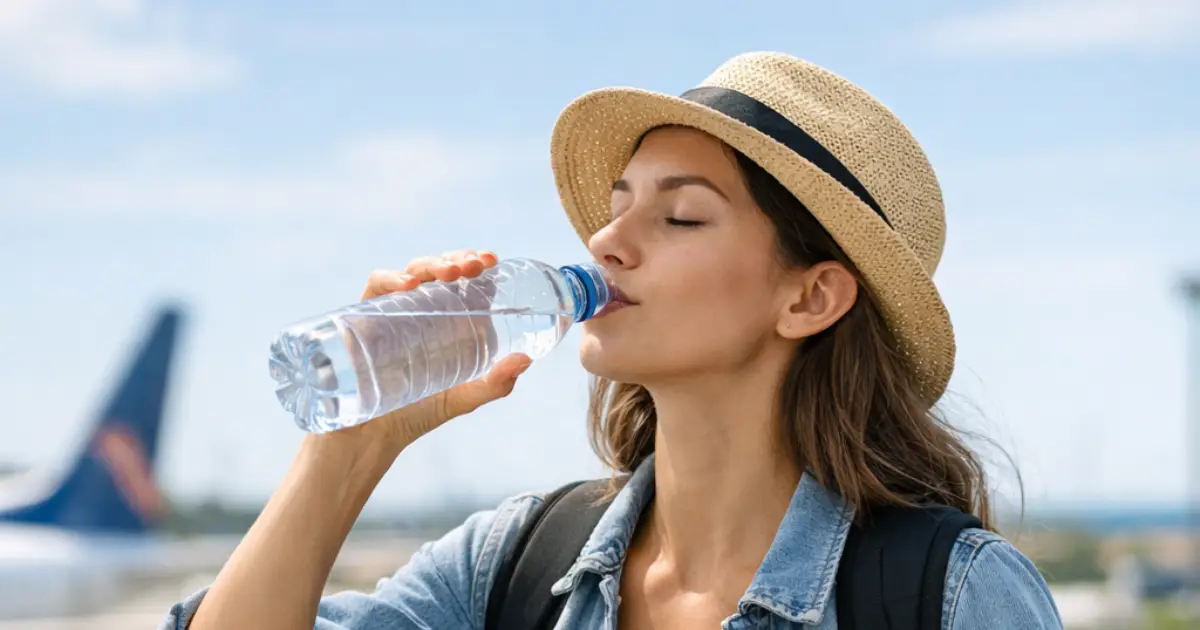
Staying well hydrated is especially important when traveling to warm and sunny destinations such as Croatia, where summer temperatures frequently exceed 30 °C. High ambient temperatures, prolonged sun exposure, increased physical activity, and sweating significantly raise daily fluid requirements. Under these conditions, the risk of dehydration increases even before thirst is clearly perceived.
According to the World Health Organization, adequate hydration is essential for maintaining thermoregulation, cardiovascular stability, cognitive performance, and overall physical well-being. Scientific WHO
guidance highlights that even mild dehydration can lead to headaches, fatigue, dizziness, and reduced concentration—factors that can negatively affect comfort and safety during travel.
Evidence-based reference values for water intake are provided by European and German health authorities. The European Food Safety Authority defines adequate total water intake (from drinking water, beverages, and food combined) for adults as approximately 2.0 liters per day for women and 2.5 liters per day for men under moderate conditions. These values explicitly increase in situations involving high temperatures, physical exertion, and increased sweating, which are typical for summer travel in Mediterranean regions
In addition, the German Nutrition Society confirms that fluid intake should be increased during hot weather and physical activity. The DGE emphasizes that water should be the primary source of hydration and notes that thirst alone is not a reliable indicator of adequate fluid intake, particularly in warm environments.
Practical Hydration Recommendations for Summer Travel
- Drink water regularly throughout the day, not only when thirst occurs.
- Increase fluid intake during hot weather, sightseeing, beach activities, and long walking days.
- Carry a reusable water bottle to ensure consistent access to fluids.
- Prefer water or unsweetened beverages; limit sugary drinks and alcohol, which may worsen dehydration.
- Complement fluid intake with fruits and vegetables that have a high water content.
Prioritizing hydration is a simple but essential strategy to maintain energy, physical comfort, and health while traveling in hot summer destinations.
Official Scientific Sources
- World Health Organization (WHO) – Water, hydration and health
- European Food Safety Authority (EFSA) – Dietary Reference Values for water (scientific opinion)
- German Nutrition Society (DGE) – Reference values for water intake